
This reconstruction reveals the spatial organization and integration of mitochondria with the ER/SR network and other organelles, emphasizing coordinated interactions that support energy metabolism, calcium signaling, and overall muscle function.
Welcome to the Hinton Laboratory
Welcome to the Hinton Lab. Our research is centered on a fundamental question: how does cellular stress reshape organelle function, structure, and communication—and how do these changes drive disease?
Cells are constantly exposed to stress, including nutrient imbalance, oxidative stress, and disruptions in protein folding within the endoplasmic reticulum (ER). To adapt, cells activate coordinated pathways such as the Integrated Stress Response (ISR) and ER stress responses, which help restore balance. However, in chronic conditions like diabetes, obesity, and cardiovascular disease, these same pathways can become dysregulated, leading to long-term changes in organelle function and cellular health.
A major focus of our work is understanding how these stress pathways—especially those involving the transcription factor ATF4—act as central regulators of organelle biology. Rather than viewing stress as simply damaging, we study it as a signal that actively reprograms mitochondria and other organelles, altering their structure, interactions, and function.
One key area we study is mitochondrial architecture, particularly how stress affects cristae organization and inner membrane structure. These structural features are critical for energy production and metabolic control. We investigate how stress-driven signaling pathways reshape mitochondrial networks, influencing respiration, metabolite flow, and the ability of cells to adapt or fail under pressure.
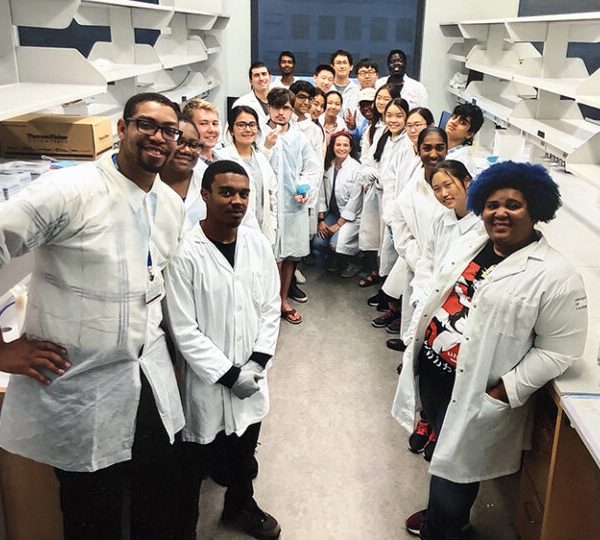
Approach and Technologies
The Hinton Lab uses an integrative and multidisciplinary approach to understand how mitochondrial structure and organelle interactions are regulated across different biological states. Our work brings together cellular physiology, biophysics, structural biology, molecular biology, and systems-level analysis to study how cells adapt to stress and how these processes break down in disease.
We focus on connecting mechanism to function, meaning we do not just look at molecular changes, but also how those changes affect organelle structure, cellular behavior, and ultimately tissue and disease outcomes. Our goal is to bridge detailed mechanistic work with broader biological and clinical relevance, especially in the context of diabetes, obesity, and cardiovascular disease.
A major strength of the lab is our ability to study biology across multiple scales—from molecules, to organelles, to whole cells and tissues. We combine experimental and computational approaches to build a more complete understanding of how mitochondrial networks and organelle communication systems are organized and regulated.
Key methodologies in the lab include:
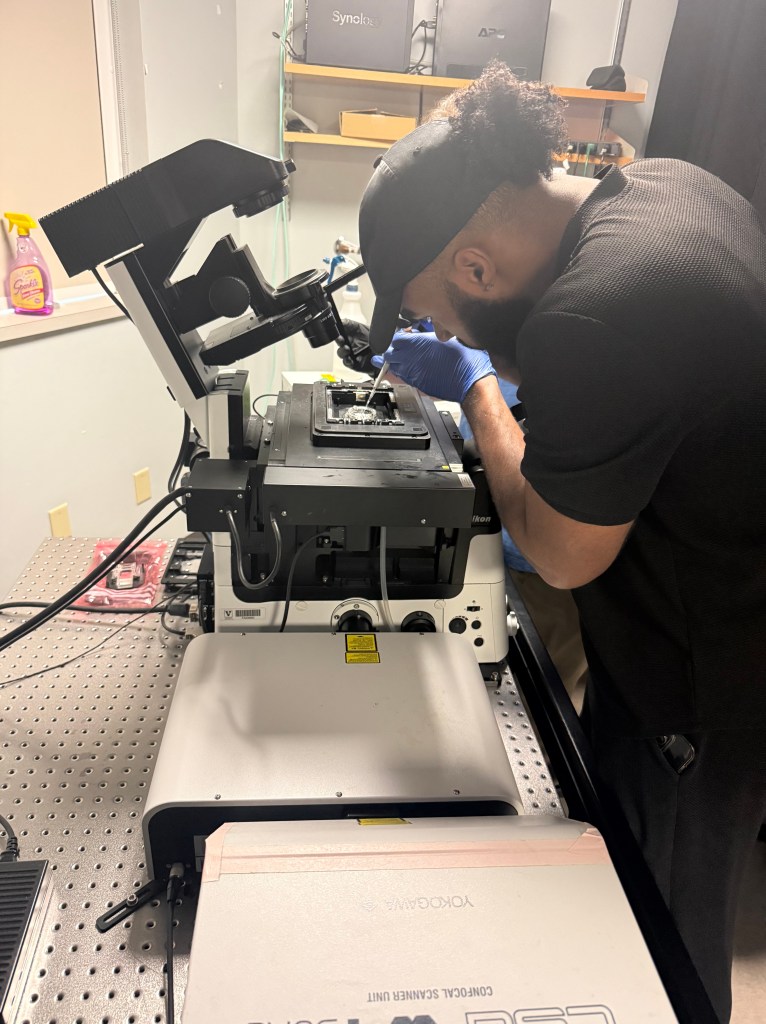
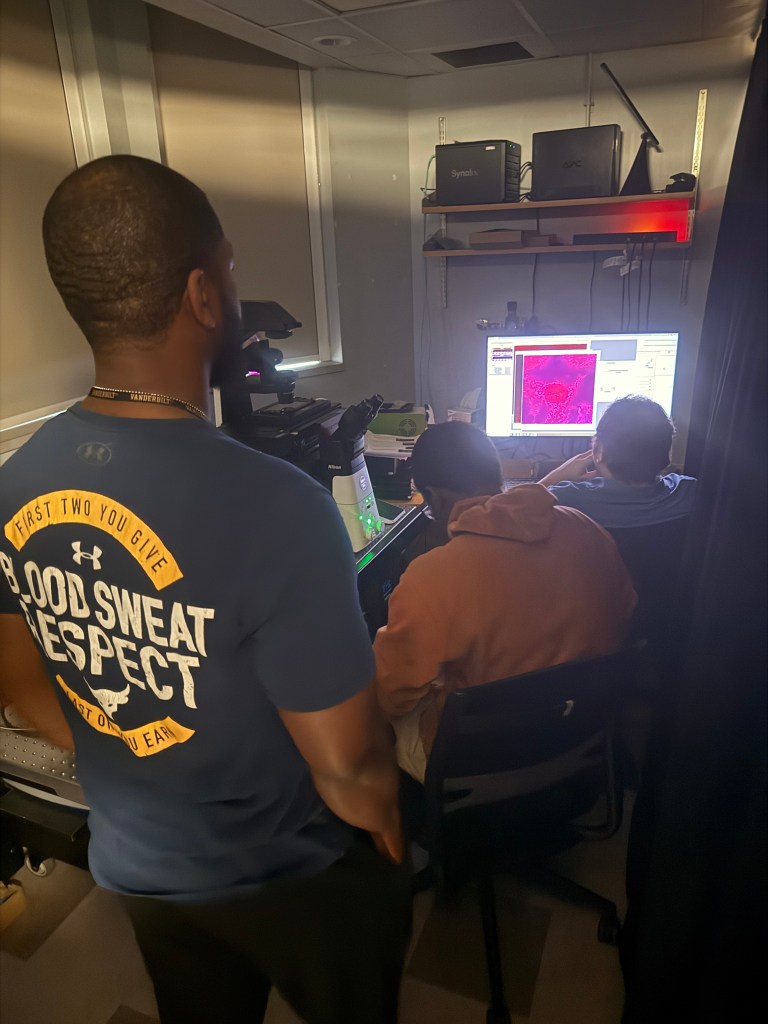
- Advanced imaging approaches, including confocal microscopy, super-resolution imaging (such as STED), and live-cell imaging to study mitochondrial dynamics and organelle behavior in real time
- Ultrastructural analysis, including transmission electron microscopy (TEM), serial block-face SEM (SBF-SEM), and FIB-SEM, allowing us to perform high-resolution 3D reconstruction of mitochondria and other organelles
- Quantitative image analysis, including large-scale image processing, morphometric analysis, and AI-assisted segmentation to extract meaningful biological information from complex imaging datasets
- Cell-based and functional assays, including primary cell isolation and in vitro models that incorporate metabolic stress, exercise mimetics, and other physiological perturbations
- Bioinformatics and data integration, including transcriptomics, GWAS, and multi-omics approaches to connect molecular signatures with structural and functional phenotypes
- Model systems, including human primary cells, established cell lines, and model organisms such as mouse and Drosophila, allowing us to study conserved mechanisms across systems
Across these approaches, we are particularly interested in how mitochondrial structure—such as cristae organization, network connectivity, and organelle contact sites—is actively remodeled in response to stress. We study how these structural changes influence metabolism, signaling, and cellular survival, and how they become dysregulated in aging and disease.
By combining imaging, molecular biology, and computational analysis, the Hinton Lab aims to build a more complete picture of how organelle structure and communication shape cellular function. This integrated approach allows us to move beyond single measurements and instead understand how multiple systems work together to drive health and disease outcomes
Training and Career Development
The Hinton Laboratory is deeply committed to developing the next generation of scientists through intentional mentorship, structured training, and individualized career development. We foster an environment where trainees are encouraged to think critically, work collaboratively, and grow into independent and innovative researchers.
A central component of our training program is our weekly laboratory meeting held on Friday at 1 PM, which integrates scientific progress with professional development, mentorship, and leadership training. These meetings are intentionally structured to ensure that trainees receive continuous feedback, develop essential skills, and actively engage in both their own projects and the broader scientific mission of the lab.
Each week has a distinct focus:
- Week 1: Research progress presentations, where trainees present ongoing work, share new data, and receive detailed feedback on experimental design, interpretation, and next steps
- Week 2: Journal club discussions that emphasize critical evaluation of the literature, identification of knowledge gaps, and development of new scientific ideas
- Week 3: Grantsmanship and scientific writing, including preparation of fellowship applications, manuscripts, and research proposals, with a focus on clarity, impact, and storytelling in science
- Week 4: Career development and personal branding, including Individual Development Plans (IDPs), goal setting, and research-in-progress presentations that align scientific progress with long-term career objectives
- Week 5 (when applicable): Team-building activities and recognition of lab achievements, fostering a strong sense of community and shared success
Each meeting includes dedicated time for mentorship topics such as career strategy, leadership development, navigating challenges in research, and building resilience. These discussions are designed to provide trainees with the tools needed to succeed not only in the lab but throughout their careers.
In addition to formal presentations, the Tuesday meetings serve as a platform for interactive discussion, problem-solving, and collaborative thinking. Trainees are encouraged to actively engage with one another’s work, offer constructive feedback, and contribute ideas across projects. This collaborative approach enhances scientific rigor and fosters a culture of shared learning.
Career development in the Hinton Lab is continuous and tailored to each individual. Trainees are supported in pursuing competitive fellowships, publishing high-impact research, presenting at national and international conferences, and building professional networks. We utilize structured tools such as Individual Development Plans (IDPs), mentoring discussions, and regular progress evaluations to ensure that each trainee is progressing toward their personal and professional goals.
Through this integrated approach, trainees develop not only technical expertise but also critical skills in communication, leadership, and collaboration. Our goal is to prepare scientists who are not only capable of conducting rigorous and innovative research but also equipped to lead, mentor, and shape the future of biomedical science.
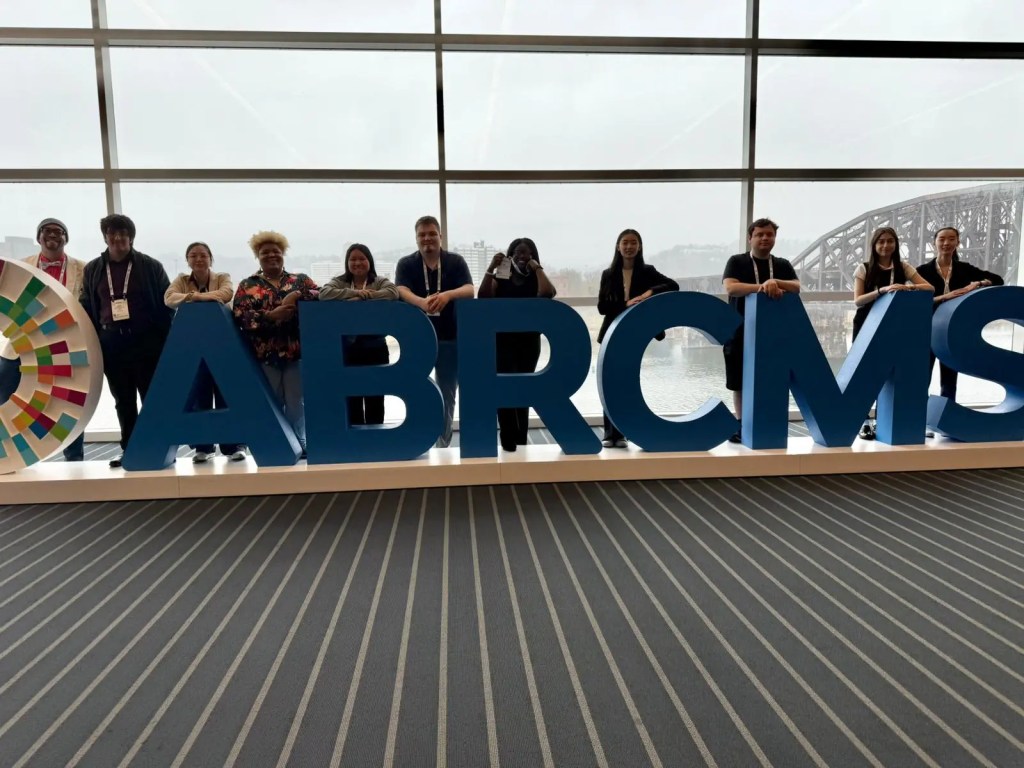
Mentorship and Scientific Leadership
The Hinton Laboratory is deeply committed to cultivating a diverse, inclusive, and high-impact scientific community through intentional mentorship, structured training, and leadership development. We view mentorship not as a passive process, but as an active and evolving framework that empowers trainees to grow intellectually, professionally, and personally while contributing meaningfully to the scientific enterprise.
Our training philosophy is centered on developing scientists who can think critically across disciplines, integrate complex and multi-scale datasets, and communicate their work with clarity and purpose. Trainees are immersed in an environment that bridges molecular biology, biophysics, structural biology, and systems-level physiology, enabling them to approach scientific questions from multiple perspectives. This interdisciplinary mindset is essential for tackling complex challenges in areas such as mitochondrial biology, metabolic disease, and organelle communication.
A defining feature of the Hinton Laboratory is our multi-layered mentorship structure, which is designed to provide comprehensive and continuous support. Trainees engage in dyadic mentoring relationships (one-on-one mentorship with faculty) that provide individualized guidance, goal setting, and career planning. In parallel, we implement triadic mentoring models, where trainees interact with both senior and peer mentors, creating a dynamic network of support that fosters knowledge transfer, accountability, and shared growth.
We also emphasize peer-to-peer mentoring, recognizing that some of the most impactful learning occurs through collaboration among trainees at different stages. Senior students and postdoctoral fellows actively mentor junior trainees, helping them develop technical skills, experimental design strategies, and scientific confidence. This structure not only strengthens the lab as a whole but also prepares trainees to become effective mentors and leaders in their future careers.
In addition to in-person mentorship, we integrate virtual and extended mentoring networks, connecting trainees with collaborators, alumni, and external experts across institutions. This broader mentoring ecosystem exposes trainees to diverse perspectives, expands professional networks, and creates opportunities for interdisciplinary collaboration. Through these connections, trainees gain insight into a wide range of career pathways and scientific approaches.
Career development in the Hinton Lab is intentional and continuous. Trainees are supported in pursuing competitive fellowships and grants, publishing high-impact manuscripts, and presenting their work at national and international conferences. We incorporate structured tools such as Individual Development Plans (IDPs), mentoring contracts, and regular progress evaluations to ensure that each trainee’s goals are clearly defined and actively pursued. Training also includes professional skill development in areas such as scientific writing, grantsmanship, leadership, and team science.
Importantly, our laboratory fosters a collaborative and team-oriented culture, where success is shared and collective progress is prioritized. We actively encourage cross-project collaboration within the lab and with external partners, creating opportunities for trainees to contribute to multidisciplinary studies and large-scale initiatives. This collaborative approach reflects the reality of modern science and prepares trainees to thrive in team-based research environments.
We believe that scientific excellence and human development are inseparable. By investing in mentorship, fostering collaboration, and building leadership capacity, the Hinton Laboratory is dedicated to training the next generation of scientists who will not only advance biomedical research but also shape the future of the scientific community.
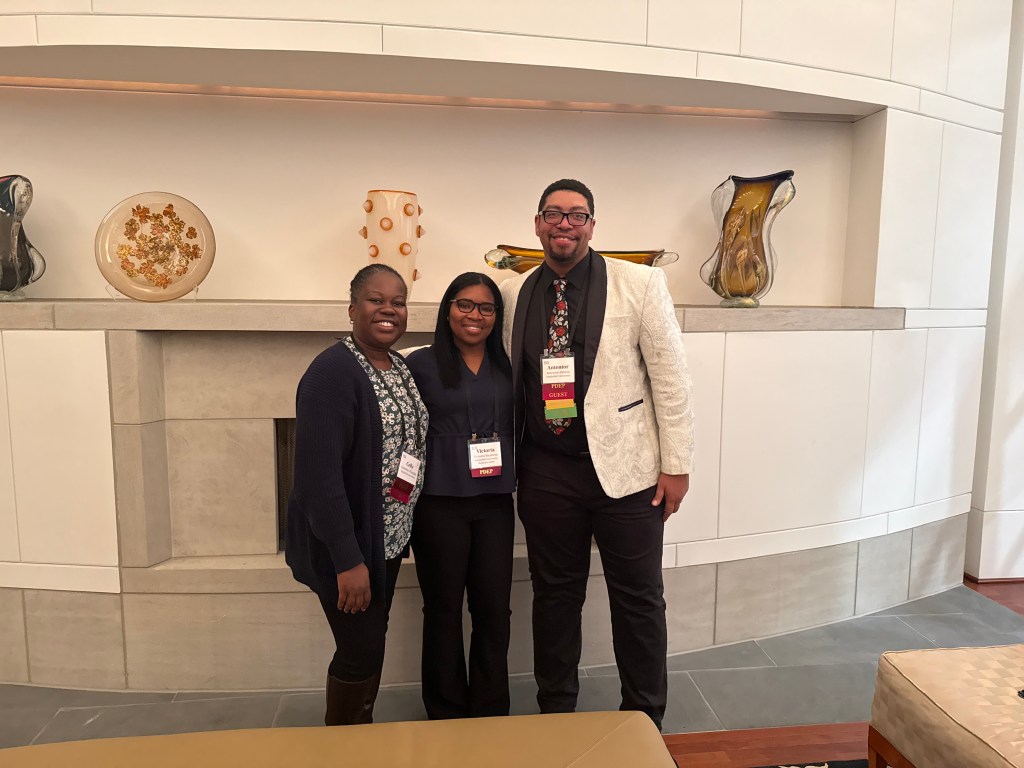
Mission and Culture
The Hinton Lab is built on the idea that strong science and strong mentorship should go together. Our goal is not only to produce meaningful research, but also to help train and support scientists in a way that prepares them for long-term success. We want people in the lab to grow in their scientific thinking, technical skills, confidence, and sense of purpose.
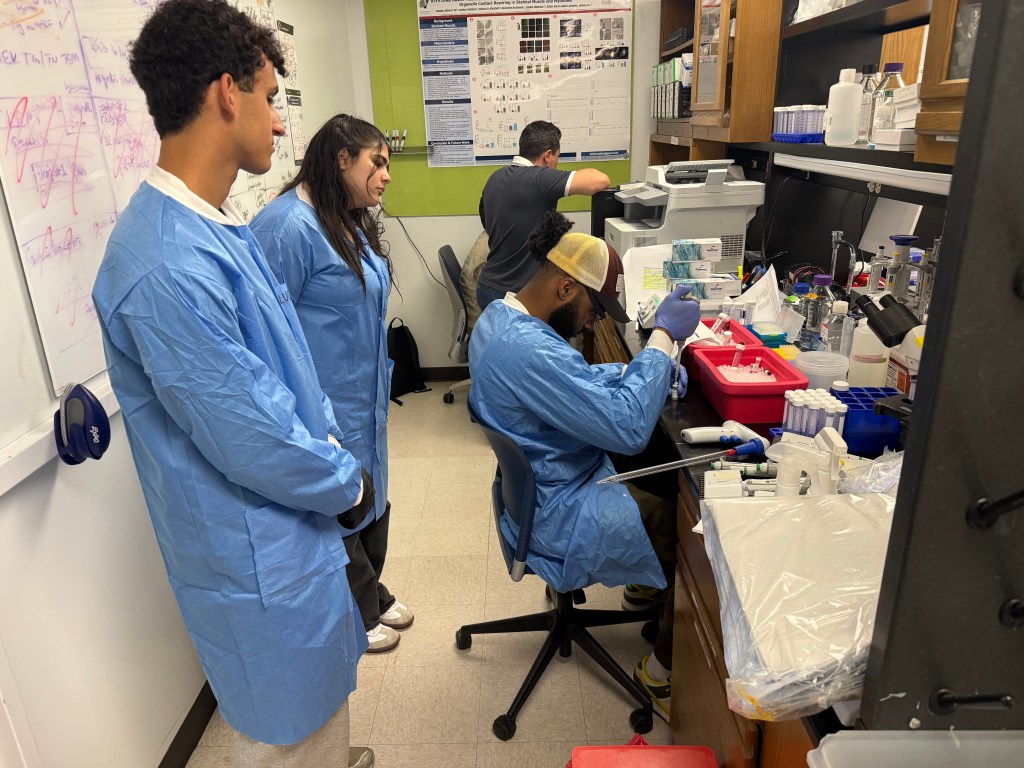
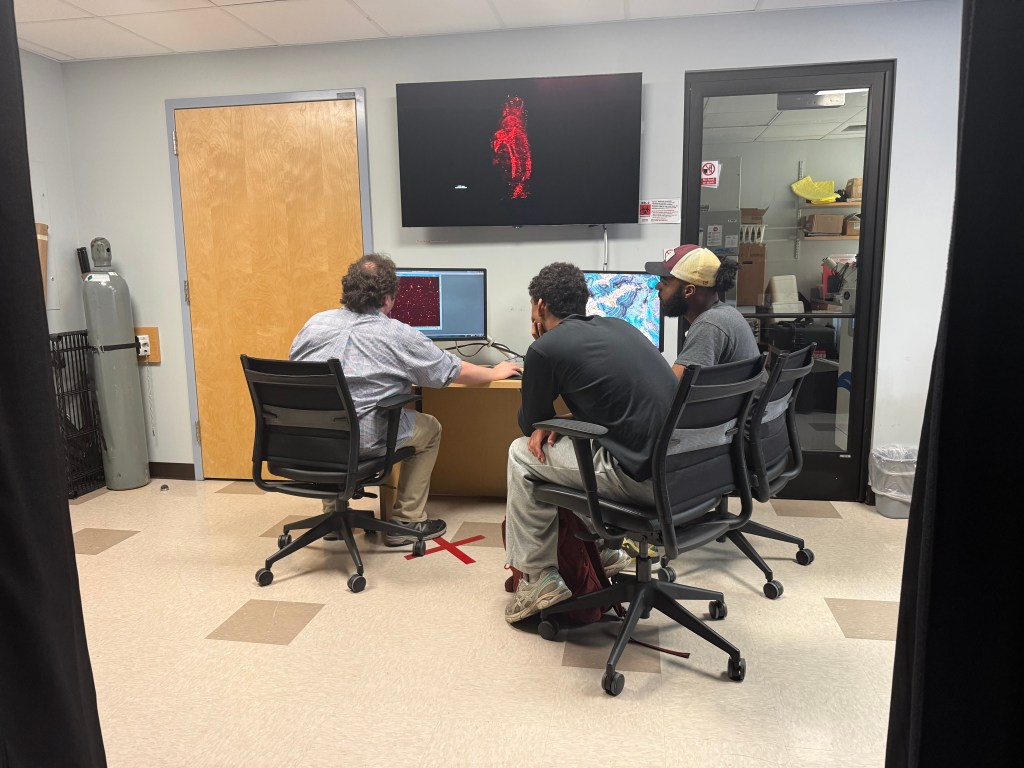
We work to create a lab environment that is collaborative, supportive, and serious about science. We believe people do their best work when they feel respected, challenged, and encouraged. For that reason, we value open discussion, shared problem-solving, and a willingness to help one another. No one in the lab is expected to succeed alone. We want trainees and staff to learn how to work as part of a team, how to contribute to a larger scientific vision, and how to support the success of others alongside their own.
At the same time, we care deeply about rigor and accountability. Good science requires careful thinking, consistency, honesty, and follow-through. We expect lab members to take ownership of their work, be thoughtful in how they design experiments, and approach data with integrity. We want people to ask hard questions, think critically about results, and be willing to revise their ideas when the science demands it. In our lab, growth comes from being both ambitious and honest.
Mentorship is a major part of our culture. We do not see training as something separate from research. Instead, mentorship is woven into the day-to-day life of the lab. We spend time helping trainees learn how to think through problems, interpret data, present their work, write clearly, and develop independence. We also talk openly about career development, leadership, collaboration, and the realities of building a life in science. Our goal is for people to leave the lab not only with publications and technical experience, but with a stronger sense of direction and confidence in what they can contribute.
We also believe that different perspectives make science better. The Hinton Lab values a community where people from different backgrounds, experiences, and training paths can contribute meaningfully. We want the lab to be a place where people feel welcomed, heard, and respected. That kind of environment is important not only for culture, but for science itself, because creative and important ideas often come from people who see problems in different ways.
Our lab culture also emphasizes resilience, consistency, and steady growth. Science can be difficult, and progress is not always linear. Experiments fail, papers need revision, and ideas take time to develop. We try to build an environment where people can learn from those moments rather than be discouraged by them. We want lab members to become strong problem-solvers who can adapt, keep going, and continue improving over time.
Just as important, we believe in being good colleagues. That means being respectful, communicating clearly, sharing credit, and contributing positively to the lab environment. We want the Hinton Lab to be a place where people work hard, think deeply, and treat one another well. Success in science is not only about individual achievement; it is also about the kind of community you help build around you.
Overall, the Hinton Lab is a place where people are expected to be thoughtful, hardworking, collaborative, and committed to growth. We care about doing science that matters, but we also care about how we do it and how we treat people along the way. Our mission is to build a lab that produces strong science, develops strong scientists, and creates a lasting culture of mentorship, integrity, and shared success.
Join Us / Connect
We hope this website conveys the excitement we have for our work and the collaborative spirit of our team. The Hinton Lab is part of a vibrant scientific ecosystem at Vanderbilt University, offering access to exceptional resources, interdisciplinary collaborations, and cutting-edge technologies.
If you are interested in joining the lab, collaborating, or learning more about our research, we welcome you to reach out.
antentor.o.hinton.jr@Vanderbilt.Edu

